Typing Shortcuts for Reusable Replies, Signatures, and Phrases
Typing shortcuts turn memorable triggers into consistent replies, signatures, and other text you reuse. Choose distinctive triggers, test them where you write, and keep shared snippets current while tailoring each message to its recipient.
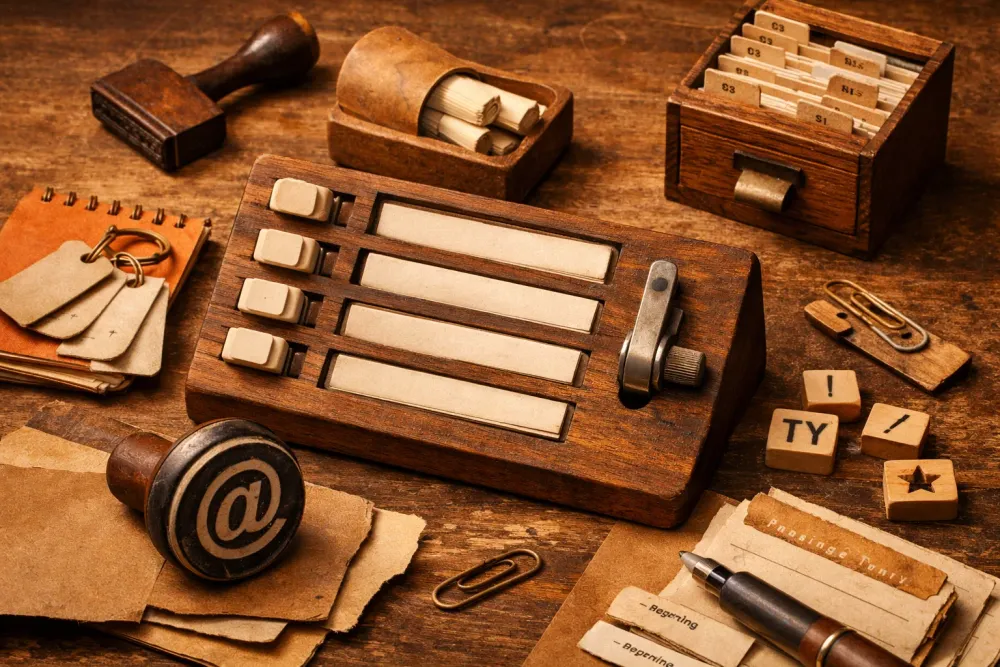
Typing shortcuts replace a short abbreviation with a longer piece of text you use often. Instead of retyping a greeting, support reply, or email signature, you enter a trigger and let a text expander insert the saved wording.
They solve a different problem from keyboard shortcuts. A keyboard shortcut usually performs an action, such as copying selected text. A typing shortcut inserts text into what you are writing. It is useful when the words themselves are repetitive and need to stay accurate.
Typing shortcuts vs. keyboard shortcuts
The terms sound similar, but the workflows differ:
| Typing shortcut | Keyboard shortcut | |
|---|---|---|
| What you enter | A short abbreviation in a text field | A key or key combination |
| What happens | Saved text appears in your writing | An action is performed |
| Example | ;thanks becomes "Thanks for reaching out. I'll review this and get back to you." |
Ctrl+C copies selected text |
| Best for | Repeated phrases, replies, and signatures | Common actions and commands |
A typing shortcut is sometimes called a text shortcut, text replacement, or text expansion shortcut. The important distinction is that it brings back wording you chose in advance. It does not guess what you intend to write.
When typing shortcuts are useful
A shortcut is worth creating when you type the same text often, or when small wording differences can cause confusion. Common examples include:
- Email openings and closings: greetings, sign-offs, and contact details.
- Support replies: troubleshooting steps, status updates, and requests for more information.
- Sales follow-ups: meeting confirmations, recap messages, and answers to common questions.
- Internal notes: standard handoff details, project updates, or recurring process instructions.
- Long or easy-to-mistype text: product names, URLs, addresses, or other precise wording.
For a one-off sentence, typing it again may be faster than finding and maintaining a shortcut. The payoff comes from text you reuse often enough that retyping it becomes friction, or from wording that should be consistent each time.
If you are building a larger collection, learn how text snippets fit into daily team workflows.
What a typing shortcut looks like
A typing shortcut pairs a memorable trigger with saved text. The examples below are illustrative; choose abbreviations that make sense in your own setup.
| Trigger | Saved text |
|---|---|
;meet |
"Thanks for booking time. I look forward to speaking with you." |
;status |
"I'm checking on this now and will share an update as soon as I have one." |
;sig |
Your name, role, and contact details |
;steps |
A short, repeatable set of instructions |
The trigger should be quicker to type than the full text, but distinctive enough that you are unlikely to enter it by accident. A punctuation mark or uncommon letter combination can help separate shortcuts from ordinary words. Test each trigger in the places you write before depending on it.
How to create useful typing shortcuts
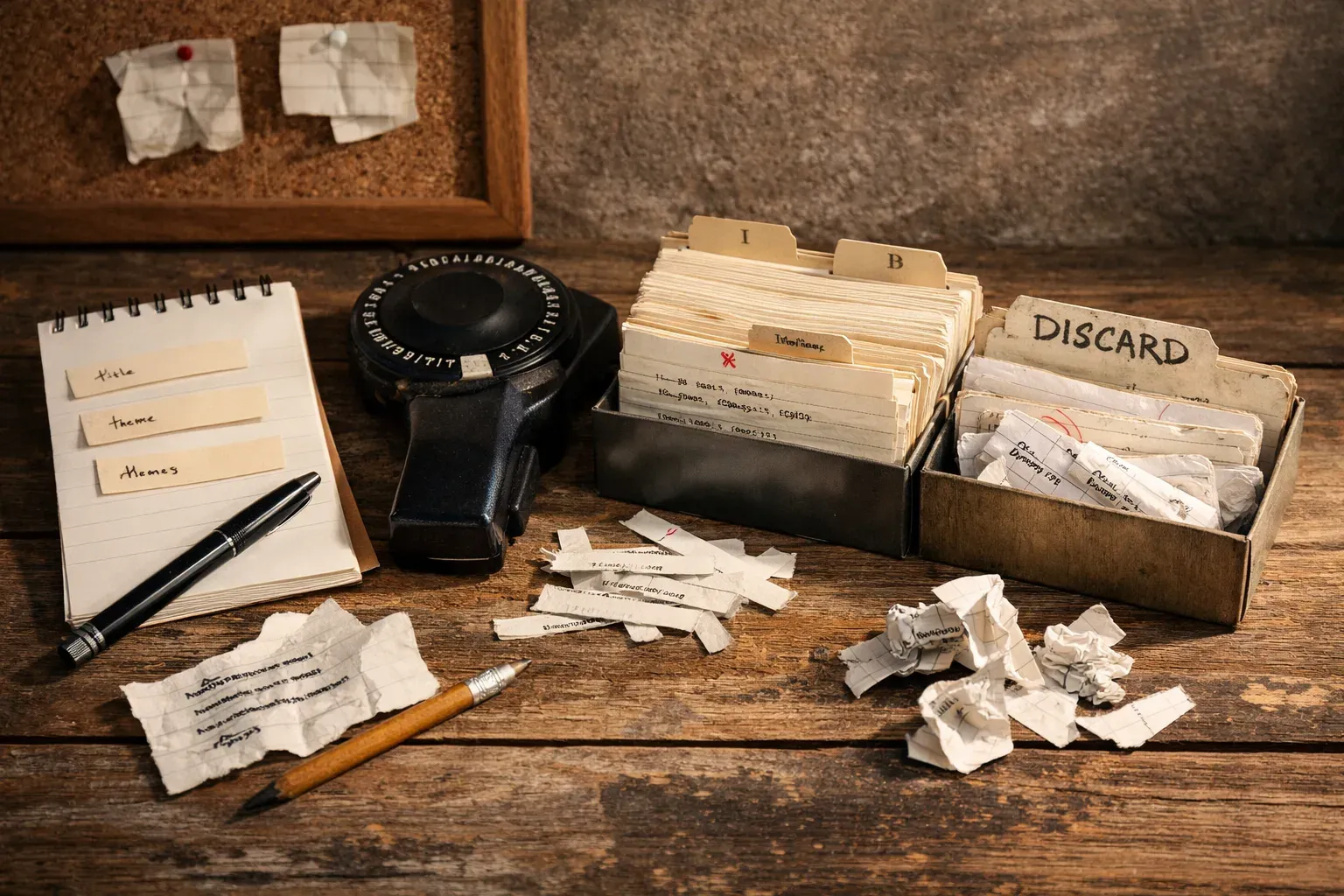
Start with a few high-value phrases, then adjust them based on how they work in your day-to-day writing.
- Find the repetition. Look through messages, notes, and replies you have written recently. Identify text you have typed more than once, especially wording that needs to be accurate or consistent.
- Save the reusable part. Keep the wording that stays the same. Leave out details that change for each recipient, unless your chosen tool supports a way to handle those details.
- Choose a clear trigger. Make it short and easy to remember, but not a common word or fragment you might type naturally.
- Keep the text readable. Break up long replies and remove anything that does not help the reader. A shortcut should make a good message easier to reuse, not preserve clutter.
- Test it in context. Try the trigger in the apps and fields where you expect to write. Check that the text appears as intended and that the shortcut does not get in the way of normal typing.
- Review and update. When a policy, link, process, or signature changes, update the saved text. Retire shortcuts you no longer use.
A useful first shortcut might be a reply you send several times a week. Save the standard explanation, then add the recipient-specific information yourself. This keeps the repeated part consistent without making every message sound impersonal.
Set shortcuts up for individual or team use
Personal typing shortcuts work best when the trigger and text match one person's routine. You might save a preferred sign-off, a commonly used link, or a detailed explanation you send to clients.
Team shortcuts need a little more care. If several people use the same reply, decide who owns the wording and how updates are communicated. Keep approved team text distinct from personal snippets, and avoid saving sensitive information unless your organization's rules allow it. For a closer look at shared wording, see how to keep a shared snippet library current.
Typerelay supports reusable replies, signatures, and snippets as shortcuts. Individuals can keep private snippets, while teams can use shared snippets for common wording. Web sync helps keep snippets available across devices, and Typerelay runs on macOS, Windows, and Linux. That can be useful when people need the same approved reply but work on different operating systems.
For customer-facing teams, a saved reply should still leave room for a personal, relevant response. Use shortcuts for the consistent explanation or next steps, then add the details that address the specific question. See the practical comparison of customer support macros and shared snippets.
Common mistakes to avoid
Using triggers that are too ordinary. A shortcut based on a common word may expand when you did not intend it to. Choose an uncommon, memorable pattern and test it.
Saving too much text too soon. Start with phrases you know you repeat. A large collection is harder to remember and maintain if you do not use it.
Letting old wording linger. Outdated links, instructions, or signatures can create confusion. Assign an owner for shared snippets and review them when the underlying process changes.
Treating every message as a template. A saved reply should speed up routine wording, not replace judgment. Add context and adapt the message to the person receiving it.
Skipping real-world testing. A shortcut that works in one writing field may not behave as expected in another. Test the apps you rely on before making it part of an important workflow.
Frequently asked questions
What is a typing shortcut?
A typing shortcut is a short trigger that inserts a longer, saved piece of text as you write. It is useful for phrases, replies, signatures, or instructions you type repeatedly. A text expander such as Typerelay lets you save reusable text as shortcuts and use private or shared snippets.
Are typing shortcuts the same as keyboard shortcuts?
No. A keyboard shortcut uses keys or a key combination to perform an action, such as copying text. A typing shortcut is an abbreviation you enter while writing to insert saved wording.
When should I use a typing shortcut?
Use one when you repeat the same wording often, need to enter long text accurately, or want a team to reuse approved language. For a one-time message, typing it normally may be simpler.
Can a team share typing shortcuts?
Yes, with a tool that supports shared snippets. Teams can keep common replies or signatures in a shared library while people maintain separate personal snippets. Shared wording should have a clear owner so updates do not leave multiple versions in circulation.
Typing shortcuts are most useful when they remove a recurring task without making writing less personal. Save the phrases you genuinely reuse, choose distinctive triggers, and keep the text current.